17q12 microdeletion syndrome
A rare genetic syndrome linked to kidney disease and neuropsychiatric conditions.

17q12 microdeletion syndrome is a rare genetic condition where a tiny piece of the long arm of chromosome 17 is missing. This deletion typically removes the HNF1B gene, which leads to kidney problems and a form of diabetes known as renal cysts and diabetes syndrome. The condition also affects the nervous system and brain, and is considered a genetic risk factor for both autism and schizophrenia. It should not be confused with 17q12 microduplication syndrome, which involves extra genetic material in the same spot, or with 17q21.31 microdeletion syndrome, also called Koolen–De Vries syndrome.
The symptoms of 17q12 microdeletion vary widely. Some people have few or no noticeable signs, while others face severe disabilities. Experts believe the condition is often underdiagnosed, especially in milder cases that might only come to light if a person has an affected child. The most characteristic feature is renal cysts and diabetes syndrome (RCAD), also called MODY 5, which stems from the loss of the HNF1B gene. RCAD involves kidney abnormalities and a specific type of diabetes that causes the pancreas to shrink. However, not everyone with the deletion has kidney issues; about 40% are diagnosed with RCAD, usually before age 25, while roughly 85–90% have some form of kidney abnormality.
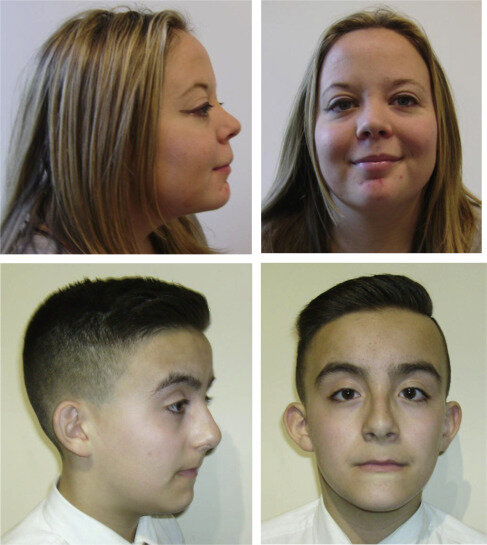
People with this deletion often have a subtle facial appearance that isn't obvious day-to-day. Common features include a large head, high-arched eyebrows, flattened cheekbones, and folds of skin over the inner corners of the eyes. Some individuals have short stature and a stocky body build. Neurocognitive and developmental effects range from mild to moderate intellectual disability in some, but not all, cases; average intelligence tends to be in the low-average to average range. Speech delays are frequent, regardless of intellectual ability. The strongest neurodevelopmental link is with autism spectrum disorder—both diagnosed autism and subclinical traits are significantly more common. In fact, 17q12 deletions are considered a major genetic cause of high-functioning autism. Schizophrenia is another significant psychiatric complication; the deletion is found in about 1 in 1,600 people with schizophrenia, compared to fewer than 1 in 50,000 in the general population. Epilepsy, usually mild, occurs in roughly one-third of cases.
Reproductive system issues are also associated, especiall
- field
- Medical genetics
- known_for
- Rare chromosomal anomaly associated with kidney disease, diabetes, autism, and schizophrenia
- prevalence
- Estimated between 1 in 14,000 and 1 in 62,500 in the general population
Lore & Background
17q12 microdeletion syndrome is an autosomal dominant disorder, where one copy of the relevant mutation is enough to cause the condition. Most cases are de novo, or spontaneous mutations that do not occur in the proband's parents; approximately 75% are de novo, while 25% are inherited. People with 17q12 microdeletions who have normal fertility have a 50% chance of passing the deletion down to their offspring. Environmental factors have not been implicated in the syndrome.
The condition has a variable phenotype, ranging from few or no symptoms to severe disability. The most characteristic symptom is renal cysts and diabetes syndrome (RCAD), also known as MODY 5, which is caused by deletion of the associated HNF1B gene. RCAD is diagnosed in approximately 40% of people with 17q12 microdeletions, usually prior to age 25, while kidney abnormalities more broadly occur in approximately 85-90%. People with 17q12 microdeletions have a characteristic facial phenotype, albeit a subtle one not usually obvious in daily life. Macrocephaly is common, along with high arched eyebrows, flattening of the malar region, and epicanthic folds.
17q12 microdeletions are associated with neurocognitive and developmental involvement of variable severity. Some have mild to moderate intellectual disability; however, such impairment is not universal. Speech delay is common, regardless of intellectual functioning. The most striking association is the raised prevalence of autism spectrum disorder, with significant increases in both diagnosis and subclinical autistic traits. Schizophrenia is also a significant psychiatric complication. Epilepsy, usually mild, occurs in approximately one-third of cases. Reproductive system anomalies are associated, particularly in females, including uterine malformations and Müllerian agenesis.
Reader's Guide
17q12 microdeletion syndrome is significant as a rare genetic disorder that bridges multiple medical specialties, including nephrology, endocrinology, psychiatry, and developmental pediatrics. Its association with renal cysts and diabetes syndrome (RCAD) provides a clear genetic basis for a subset of diabetes and kidney disease, while its strong link to autism spectrum disorder and schizophrenia highlights the role of chromosomal microdeletions in neuropsychiatric conditions. The syndrome is estimated to occur in approximately 1 in 600 people on the autism spectrum and 1 in 1,600 with schizophrenia, compared to a general population prevalence between 1 in 14,000 and 1 in 62,500, indicating it is a major genetic contributor to these conditions. The condition is thought to be underdiagnosed, and cases with milder phenotypes may not reach clinical attention unless they have an affected child themselves. Diagnosis is via fluorescence in situ hybridization, as traditional karyotyping is rarely sensitive enough. Treatment is symptomatic and supportive, with routine monitoring of renal function and caution regarding medications that may affect glucose metabolism or kidney function. The syndrome is not to be confused with 17q12 microduplication syndrome or 17q21.31 microdeletion syndrome (Koolen–De Vries syndrome).
Did You Know?
- 17q12 microdeletion syndrome is estimated to occur in approximately 1 in 600 people on the autism spectrum and 1 in 1,600 with schizophrenia.
- Renal cysts and diabetes syndrome (RCAD) is diagnosed in approximately 40% of people with 17q12 microdeletions, usually prior to age 25.
- Approximately 75% of cases are de novo (spontaneous mutations), while 25% are inherited.
- The condition occurs in approximately 3-6% of women with Müllerian agenesis.
The Clinical Face of 17q12
The clinical picture of 17q12 microdeletion syndrome is remarkably heterogeneous, spanning from virtually asymptomatic individuals to those facing profound disability. This wide spectrum means the condition is widely regarded as underdiagnosed; milder presentations often escape clinical notice until an affected child prompts family screening. The hallmark feature is renal cysts and diabetes syndrome, sometimes called MODY 5, which stems from the loss of the HNF1B gene. Roughly forty percent of carriers develop this condition, typically before their mid-twenties, while kidney structural abnormalities affect the vast majority at eighty-five to ninety percent. Yet a subset retains entirely normal kidney function. Beyond the kidneys, a subtle but recognizable facial pattern emerges: enlarged head circumference, high-set arched brows, a flattened cheek area, and epicanthic folds. A shorter, stockier build and pathological short stature appear in many cases. In females, reproductive tract anomalies—most notably Müllerian agenesis, in which the uterus and upper vaginal canal are absent—represent a distinctive and serious complication.
Neurodevelopmental and Psychiatric Dimensions
The neurological and psychiatric footprint of 17q12 microdeletion is as variable as its physical one. Intellectual functioning ranges from mild to moderate disability in some individuals, though impairment is far from universal; those without significant cognitive deficits typically score in the average to low-average range. Speech delay is a common finding, appearing regardless of overall intellectual capacity. Perhaps the most striking neurodevelopmental association is the markedly elevated prevalence of autism spectrum disorder. The deletion is recognized as one of the principal genetic contributors to high-functioning autism, with both formal diagnoses and subclinical autistic traits significantly more common than in the general population. Schizophrenia represents another major psychiatric risk: the deletion is found in roughly one in sixteen hundred individuals with schizophrenia, compared to a background frequency below one in fifty thousand. Epilepsy, when present, tends to be mild and affects approximately one-third of those carrying the deletion.
Genetics, Inheritance, and How It Is Found
17q12 microdeletion syndrome follows an autosomal dominant pattern, meaning a single missing copy of the relevant chromosomal segment is sufficient to produce the condition. The majority of cases—roughly three-quarters—arise as de novo events, spontaneous mutations absent in both parents, while the remaining quarter is inherited from a carrier parent. For those with normal fertility, each pregnancy carries a fifty percent chance of transmitting the deletion. No environmental triggers have been identified as causative. Because the deleted segment is too small for conventional karyotyping to resolve, diagnosis relies on fluorescence in situ hybridization, a technique specifically designed to detect micro-scale chromosomal changes. Epidemiologically, the condition is estimated to affect between one in fourteen thousand and one in sixty-two thousand and a half people overall. Its prevalence is substantially enriched in specific clinical groups: about one in six hundred on the autism spectrum, one in sixteen hundred with schizophrenia, two percent among those with congenital kidney malformations, and three to six percent of women presenting with Müllerian agenesis. It also ranks among the ten most common microdeletions in children with unexplained developmental delay.
Living With the Diagnosis and the Microduplication Mirror
Because the chromosomal deletion is a fixed genetic state, no therapy can restore the missing material; management is therefore entirely symptomatic and supportive. Given the high rate of kidney involvement, routine renal monitoring is essential, with particular vigilance around nephrotoxic agents such as lithium. The elevated diabetes risk demands careful surveillance in kidney transplant recipients for post-transplantation diabetes mellitus, and in psychiatric patients for the weight gain and metabolic effects of neuroleptic medications. A rarer counterpart, 17q12 microduplication syndrome, involves the addition rather than removal of material in the same chromosomal region and occurs roughly one-fifth as often. Its phenotype is equally broad—ranging from no symptoms to severe disability—with intellectual impairment often more pronounced but physical health frequently better than in the deletion. Epilepsy is common, a single case of sex reversal has been documented, and autism, while reported, appears considerably less frequent. Physical findings include syndactyly, microcephaly, and thick eyebrows or a unibrow. The duplication shows low penetrance, with many carriers inheriting it from entirely asymptomatic parents.
Gallery
Frequently Asked Questions
What is 17q12 microdeletion syndrome?
It is a rare inherited condition caused by the loss of a small segment on the long arm of chromosome 17. The missing piece typically removes the HNF1B gene, which disrupts kidney function and can trigger a specific form of diabetes.
What are the main effects of 17q12 microdeletion syndrome?
Beyond kidney problems and diabetes, the condition can impact the nervous system and brain development. It is also recognized as a genetic predisposition factor for both autism spectrum disorder and schizophrenia.
How common is 17q12 microdeletion syndrome?
It is quite rare, with estimates placing its occurrence somewhere between 1 in 14,000 and 1 in 62,500 people in the general population.
How do I tell 17q12 microdeletion apart from similar chromosomal conditions?
Do not confuse it with 17q12 microduplication syndrome, where extra genetic material sits in that same region, or with 17q21.31 microdeletion (Koolen–De Vries syndrome), which involves a different chromosomal location entirely.
Why does 17q12 microdeletion syndrome matter in medical genetics?
It serves as a key example of how a single small deletion can cascade into multi-organ and neuropsychiatric complications. Understanding it helps clinicians link kidney disease, diabetes, and psychiatric risk into one unifying genetic diagnosis.
More in Genetic anomalies 1-24
Spotted an error? Know more?
This is a living reference — every entry is fact-audited, and reader corrections feed straight into our audit queue. Suggest an edit · See this site's audit record