
DiGeorge syndrome
Genetic disorder from 22q11.2 deletion, affecting heart, immune system, and development.

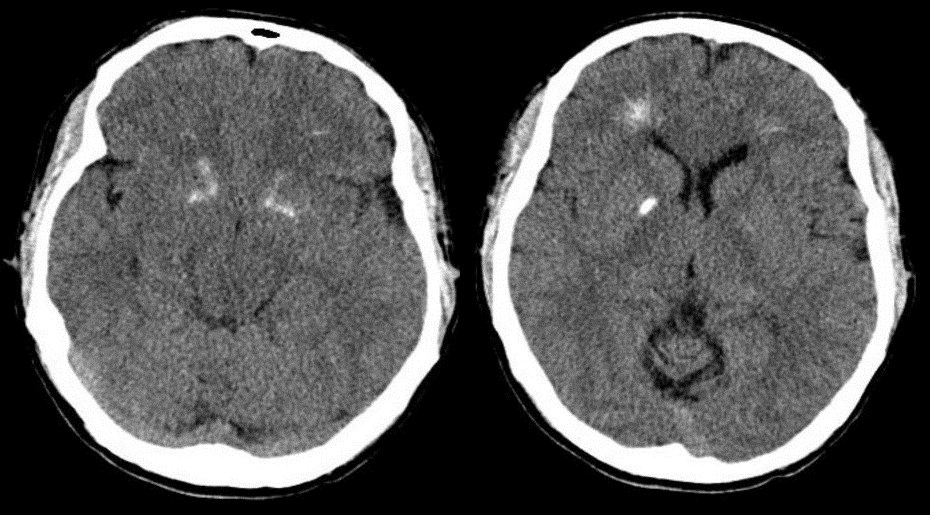
Adriano R Tonelli1 , Kalyan Kosuri1 , Sainan Wei2 and Davoren Chick1 · CC BY 2.0
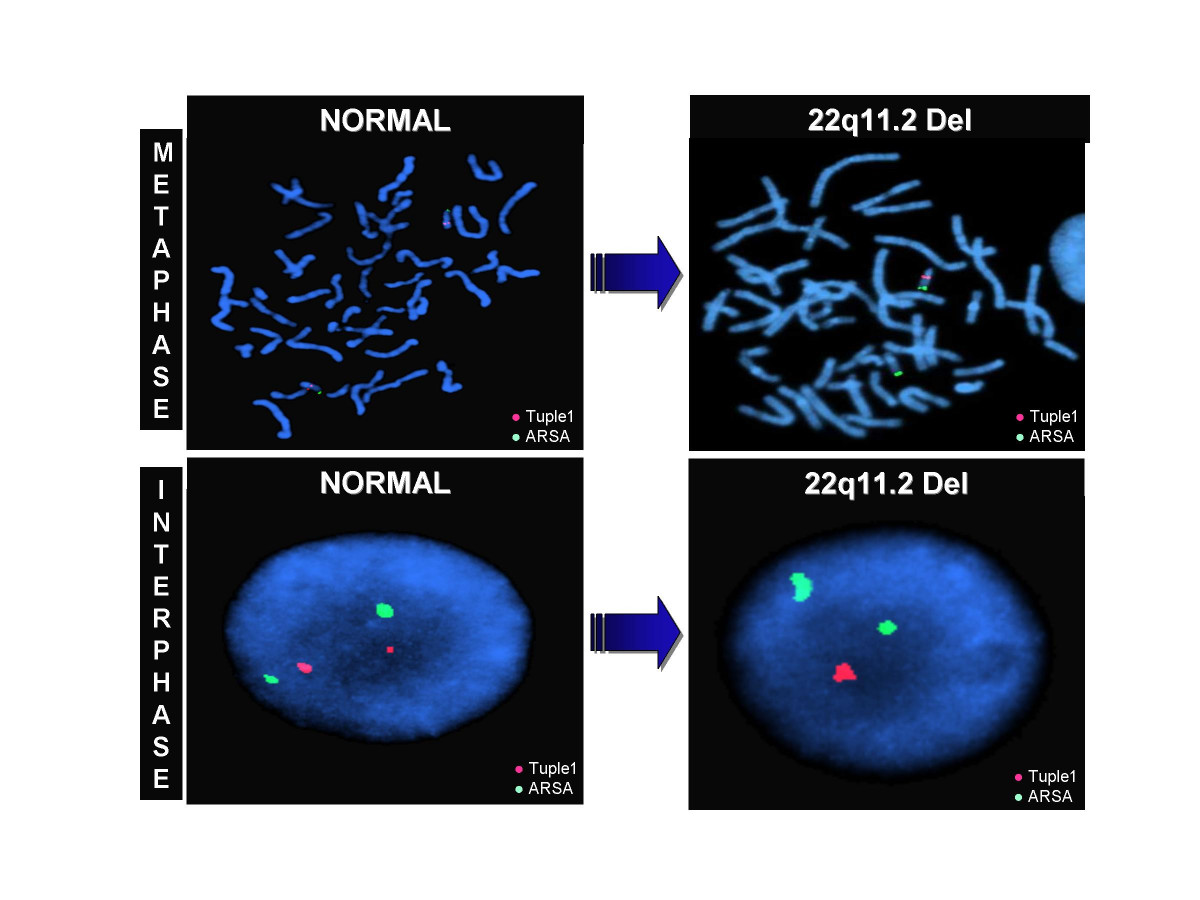
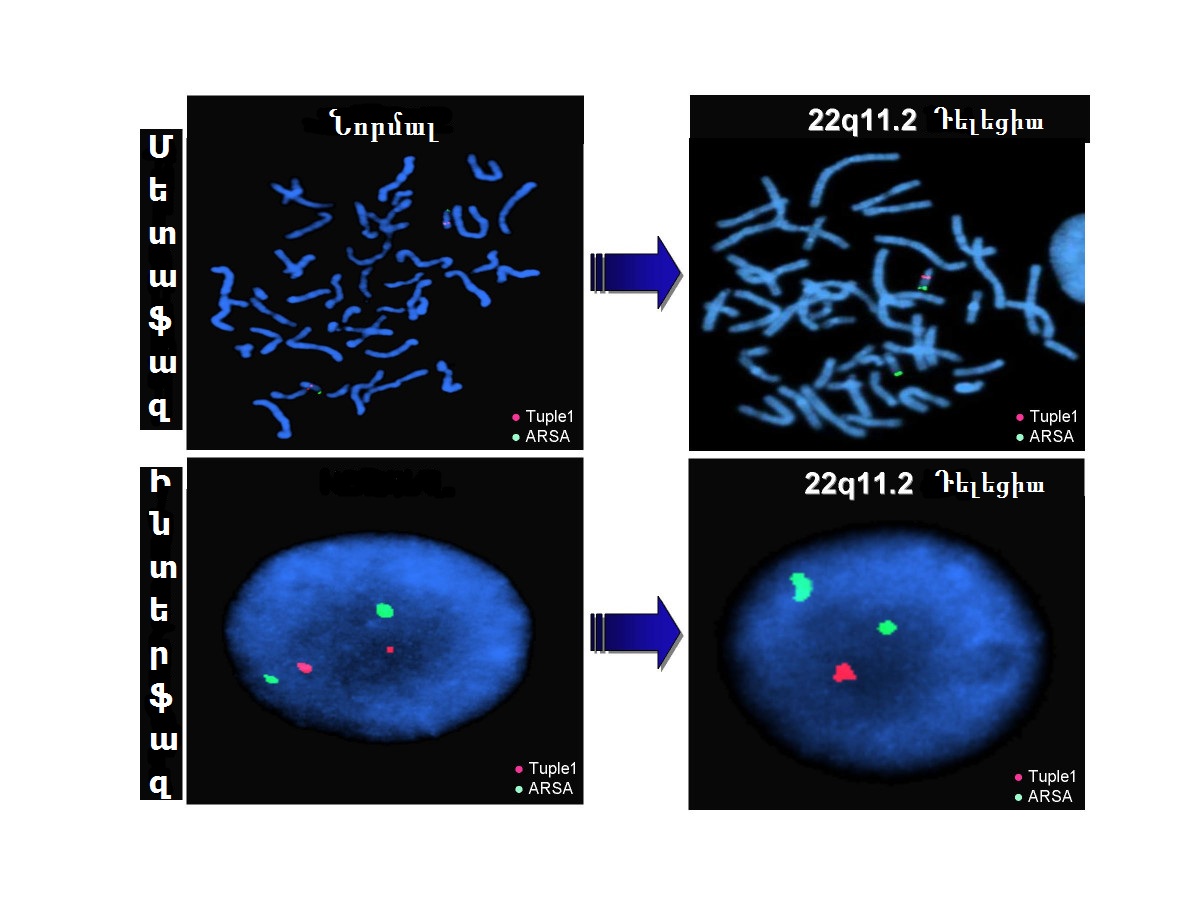
DiGeorge syndrome, also called 22q11.2 deletion syndrome, is a genetic condition that results from a small missing piece of DNA on the long arm of chromosome 22. This missing segment typically involves 30 to 40 genes at a spot labeled 22q11.2. In about 90% of cases, the deletion happens as a new mutation early in development, while the remaining 10% are inherited. The condition follows an autosomal dominant pattern, meaning just one affected chromosome is enough to cause it. Doctors usually suspect DiGeorge syndrome based on a person's symptoms, and a genetic test confirms the diagnosis.
The syndrome's features vary widely, even among family members, and can affect many parts of the body. Common signs include congenital heart defects, problems with the palate (often due to weak muscles that fail to close properly), learning disabilities, subtle differences in facial features, and frequent infections. Infections are especially common in children because the immune system's T-cell response is impaired, sometimes due to a missing or underdeveloped thymus. Newborns might first show signs through heart defects or seizures caused by low calcium levels, which happen when the parathyroid glands don't work right. Other possible birth defects include kidney abnormalities and serious feeding difficulties. Digestive issues, such as constipation from poor motility, are also common. Later in life, people may develop hypothyroidism, hypoparathyroidism, low platelet counts, or psychiatric conditions.
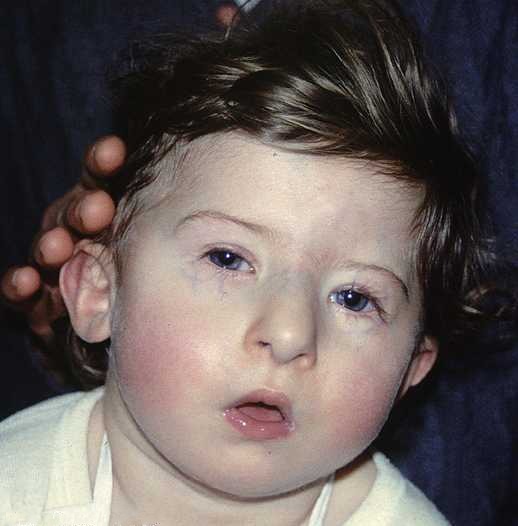
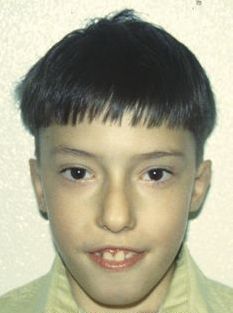
A helpful way to remember the main features is the mnemonic CATCH-22: Cardiac abnormalities (like interrupted aortic arch, truncus arteriosus, or tetralogy of Fallot), Abnormal facies (including widely spaced eyes, downward-slanting eyelids, a tubular nose with forward-tipped nostrils, a short philtrum, a small jaw, and cleft palate), Thymic aplasia or hypoplasia, Cleft palate, and Hypocalcemia or hypoparathyroidism early in life. Because the syndrome has incomplete penetrance, the severity and number of symptoms vary greatly from person to person, which can make early diagnosis tricky.
On cognitive tests, children with DiGeorge syndrome often score below the borderline-normal IQ range, though they tend to do better on verbal tasks than nonverbal ones. Some attend mainstream schools, while others need special classes or homeschooling. How severe the low calcium levels are in
- field
- Medical genetics
- known_for
- First description of DiGeorge syndrome (22q11.2 deletion syndrome)
- prevalence
- 1 in 4,000 people
- inheritance
- Autosomal dominant; 90% de novo, 10% inherited
- genetic_cause
- Microdeletion at 22q11.2
Lore & Background
DiGeorge syndrome is typically due to the deletion of 30 to 40 genes in the middle of chromosome 22 at a location known as 22q11.2. About 90% of cases occur due to a new mutation during early development, while 10% are inherited. It is autosomal dominant, meaning that only one affected chromosome is needed for the condition to occur. Diagnosis is suspected based on the symptoms and confirmed by genetic testing. The features vary widely, even among members of the same family, and affect many parts of the body. Characteristic signs and symptoms may include birth defects such as congenital heart disease, defects in the palate, learning disabilities, mild differences in facial features, and recurrent infections. Infections are common in children due to problems with the immune system's T cell-mediated response, which in some patients is due to an absent or hypoplastic thymus. Affected individuals may also have kidney abnormalities, significant feeding difficulties, gastrointestinal issues, hypothyroidism, hypoparathyroidism, thrombocytopenia, and psychiatric illnesses.
Reader's Guide
DiGeorge syndrome is significant as a common microdeletion syndrome with highly variable expression, affecting multiple organ systems. It was first described in 1968 by American physician Angelo DiGeorge, and its genetic basis was determined in late 1981. The syndrome occurs in about 1 in 4,000 people and is caused by a heterozygous deletion of part of the long arm of chromosome 22 (22q11.2). Approximately 80-90% of patients have a deletion of 3 Mb and 8% have a deletion of 1.5 Mb. The number of genes affected has been cited as approximately 30 to 50. The disorder has an autosomal dominant inheritance pattern, with most cases resulting from a de novo deletion. Although there is no cure, treatment can improve symptoms through a multidisciplinary approach. Long-term outcomes depend on the symptoms present and the severity of the heart and immune system problems; with treatment, life expectancy may be normal. The syndrome is associated with a 20 to 30-fold increased risk of schizophrenia, and about 30% of adults have at least one episode of psychosis, with about a quarter developing schizophrenia by adulthood. Individuals also have a higher risk of developing early onset Parkinson's disease. The features can be summarized using the mnemonic CATCH-22, which includes Cardiac abnormality, Abnormal facies, Thymic aplasia or hypoplasia, Cleft palate, and Hypocalcemia/hypoparathyroidism.
Did You Know?
- DiGeorge syndrome is also known as 22q11.2 deletion syndrome.
- About 90% of cases occur due to a new mutation during early development, while 10% are inherited.
- The syndrome is associated with a 20 to 30-fold increased risk of schizophrenia.
- The mnemonic CATCH-22 is used to summarize salient features, with the 22 signifying the chromosomal abnormality on the 22nd chromosome.
The Genetic Blueprint Behind the Syndrome
DiGeorge syndrome, more precisely called 22q11.2 deletion syndrome, traces its origin to a tiny stretch of missing DNA on the long arm of chromosome 22. The affected region, designated 22q11.2, sits in the middle of the chromosome and normally houses roughly thirty to forty genes. When that segment is lost, the cascade of developmental consequences that follows can touch nearly every organ system in the body. Inheritance follows an autosomal dominant pattern, meaning a single copy of the altered chromosome is sufficient to produce the condition. In the vast majority of cases—approximately ninety percent—the deletion arises as a brand-new mutation during early embryonic development rather than being passed down from a parent. The remaining ten percent are inherited from an affected individual. The condition affects roughly one in every four thousand people. American physician Angelo DiGeorge first described the clinical picture in 1968, and it was not until late 1981 that researchers identified the underlying chromosomal deletion responsible.
A Mosaic of Symptoms: The CATCH-22 Profile
Because the syndrome exhibits incomplete penetrance, no two individuals present in exactly the same way, even siblings who carry the identical deletion can show markedly different clinical pictures. Clinicians often rely on the mnemonic CATCH-22 to catalog the hallmark features: cardiac abnormality (including interrupted aortic arch, truncus arteriosus, and tetralogy of Fallot), abnormal facial features such as hypertelorism, a tubular nose with anteverted nostrils, a short philtrum, and mandibular hypoplasia; thymic aplasia or hypoplasia; cleft palate; and hypocalcemia or hypoparathyroidism in early life. The "22" simply anchors the chromosomal location. Beyond these core signs, affected individuals may also face kidney abnormalities, significant feeding difficulties as infants, gastrointestinal motility problems leading to constipation, and a weakened T-cell–mediated immune response that makes recurrent infections a persistent childhood challenge. The severity spectrum is broad, ranging from relatively mild presentations to life-threatening cardiac and immune complications.
Cognitive, Psychiatric, and Communication Challenges
The neuropsychological profile of individuals with 22q11.2 deletion syndrome is distinctive. Most score in the below-borderline range on IQ tests, with verbal abilities typically outpacing nonverbal ones. Some manage in mainstream classrooms while others require special education or home schooling. A particularly concerning dimension is psychiatric risk: the microdeletion confers a twenty- to thirty-fold increase in schizophrenia susceptibility. Approximately thirty percent of affected adults experience at least one psychotic episode, and roughly a quarter go on to develop full schizophrenia. The condition also elevates the risk of early-onset Parkinson's disease, though diagnosis can be delayed by as much as a decade because antipsychotic medications used to treat psychosis can mimic parkinsonian symptoms. In the speech and language domain, about sixty-nine percent of children have palatal abnormalities that produce velopharyngeal inadequacy, causing air to escape through the nose and creating a hypernasal quality that reduces intelligibility. Expressive vocabulary acquisition is often severely delayed, with some children still not verbal by age two or three, and school-age children continue to struggle with narrative recall and complex sentence production.
Diagnosis, Management, and the Road Ahead
There is currently no cure for 22q11.2 deletion syndrome, but a well-coordinated, multidisciplinary treatment plan can meaningfully improve quality of life. Because the condition can involve the heart, immune system, endocrine glands, kidneys, digestive tract, and many other organ systems, care typically requires input from cardiologists, immunologists, endocrinologists, speech therapists, and other specialists working in concert. Diagnosis is usually suspected when a cluster of characteristic symptoms—congenital heart defects, hypocalcemic convulsions in a newborn, recurrent infections, or distinctive facial features—prompts a clinician to order confirmatory genetic testing. Long-term prognosis hinges largely on the severity of cardiac and immune involvement; individuals with milder presentations and effective treatment can expect a near-normal life expectancy. The syndrome was first clinically described in 1968 by American physician Angelo DiGeorge, and the specific chromosomal deletion was not identified until late 1981, a gap of more than a decade that underscores how slowly the genetic underpinnings of many disorders are unraveled.
Gallery
Frequently Asked Questions
Who is DiGeorge syndrome?
DiGeorge syndrome, also called 22q11.2 deletion syndrome, is a genetic condition triggered by a tiny missing segment of DNA on the long arm of chromosome 22 that typically knocks out around 30 to 40 genes. It was first characterized by Dr. Vincent DiGeorge, who recognized the recurring pattern of cardiac and immune defects in affected infants.
What are DiGeorge syndrome's powers/role?
Rather than targeting a single organ, the condition runs a multi-system storyline that hits the heart, the immune system, and broader developmental milestones. Affected individuals commonly present with congenital cardiac defects, low calcium levels, learning differences, and sometimes speech or behavioral challenges.
How does DiGeorge syndrome's story end?
There is no single ending — severity ranges from mild learning differences to significant cardiac or immunological complications, so each person's trajectory is its own arc. A clinician usually suspects the condition from the person's symptom profile, and a genetic test confirming the 22q11.2 microdeletion locks in the diagnosis.
Why is DiGeorge syndrome important in the canon?
Affecting roughly 1 in 4,000 people, it stands as one of the most prevalent microdeletion syndromes in medical genetics. Because it follows an autosomal dominant pattern, a single affected chromosome is sufficient to produce the condition, with about 90 percent of cases arising as brand-new mutations and 10 percent inherited from a parent.
How did DiGeorge syndrome get its name?
The syndrome is named after Dr. Vincent DiGeorge, who in the 1960s first described the cluster of heart and immune abnormalities that defined the condition. The alternate label, 22q11.2 deletion syndrome, arrived later once researchers mapped the exact chromosomal segment responsible.
More in Genetic anomalies 1-24
Spotted an error? Know more?
This is a living reference — every entry is fact-audited, and reader corrections feed straight into our audit queue. Suggest an edit · See this site's audit record