
Genetic incompatibility
Genetic mismatches reduce offspring viability and shape mating strategies.

National Science Foundation · Public domain
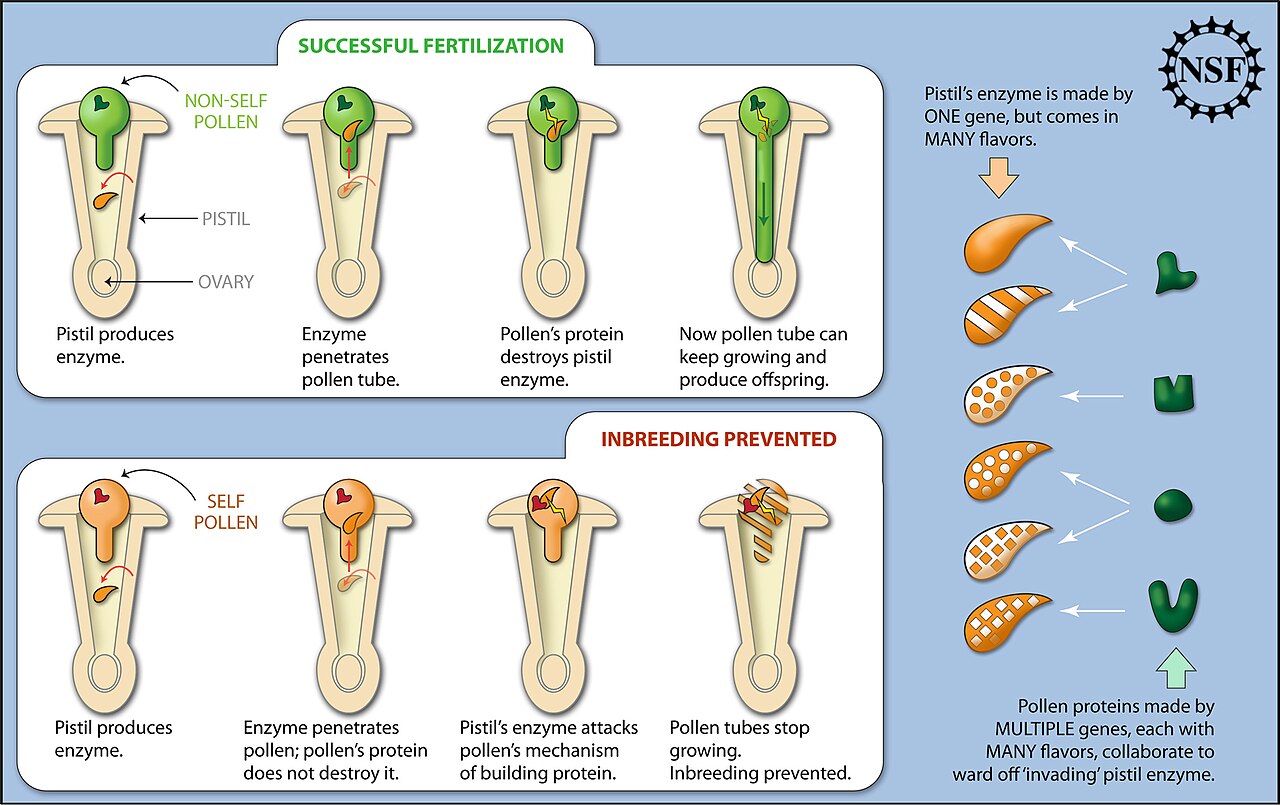
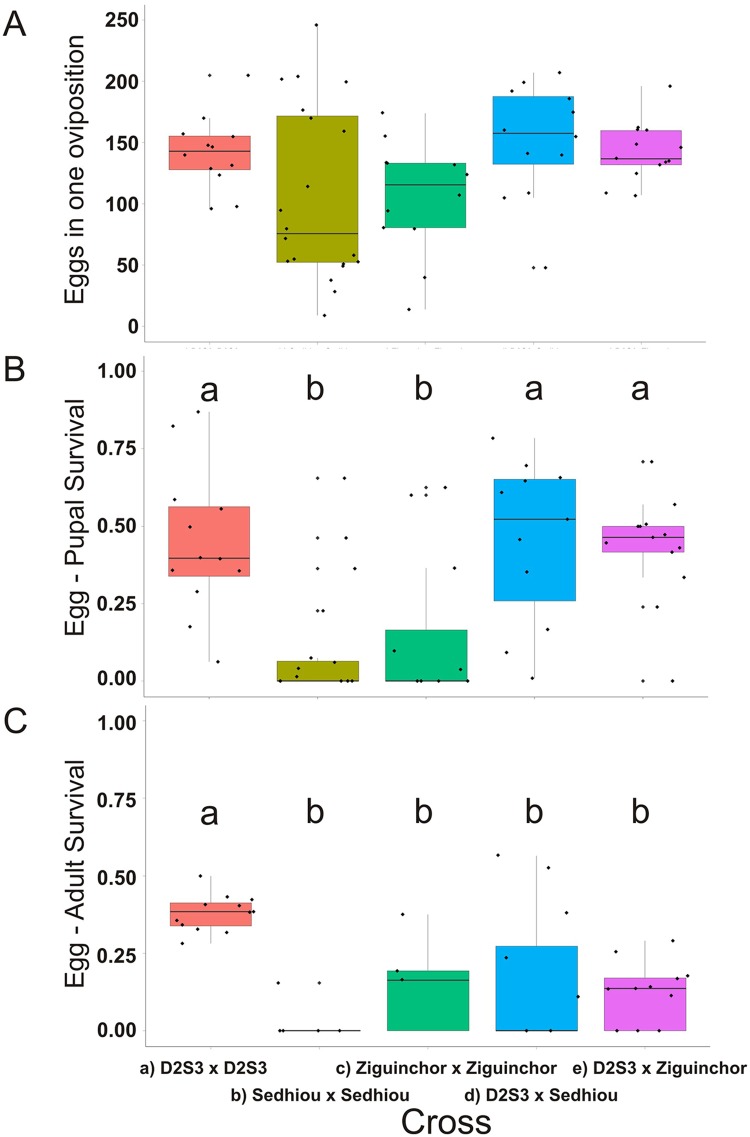
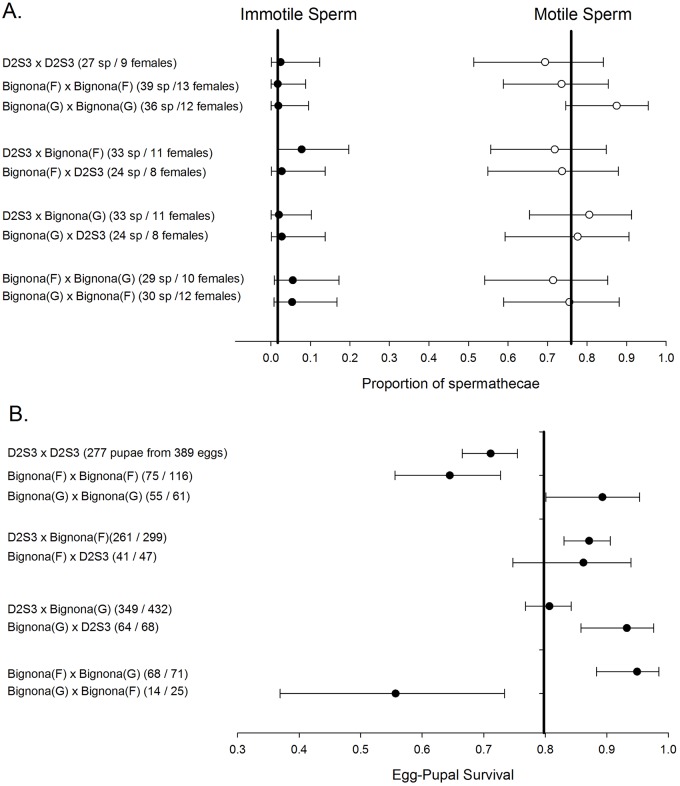
When mating produces offspring that are nonviable, disease-prone, or genetically flawed, this is known as genetic incompatibility. In the wild, females have developed mating behaviors that help them select partners more likely to produce healthy young. For example, a female who mates with multiple males during a single receptive period—a strategy called polyandry—lowers the odds that any one mate will be genetically incompatible. Exactly how females identify compatible genes before mating remains unclear, but scientists have suggested cues like pheromones, male appearance, or courtship rituals. Selection may also occur after mating through "cryptic female choice," a process that happens internally and is not directly visible. In such cases, a female can reject sperm from an incompatible male. Researchers can also deliberately engineer genetic incompatibility to manage pest populations, such as mosquitoes and fruit flies.
The idea of cryptic female choice, introduced in the early 1990s, provides a complex new perspective on infertility. Traditionally, non-additive genetic effects were considered the main cause of reproductive isolation between species. More recent work, however, indicates that non-additive effects play a larger role in fertility and embryo survival than additive ones. This has led some scientists to conclude that infertility in a pair often stems not from the female's or male's genes alone, but from how their genes interact. Consequently, certain male genotypes may fertilize some female genotypes more successfully than others. When specific alleles combine, they can cause complete reproductive failure due to differential compatibility. Another factor involves surface carbohydrates on gametes: studies show that physical contact between sperm and egg can trigger a chemical reaction in the female if the surface glycans are incompatible, altering the sperm's surface glycans and affecting its fertilization potential.
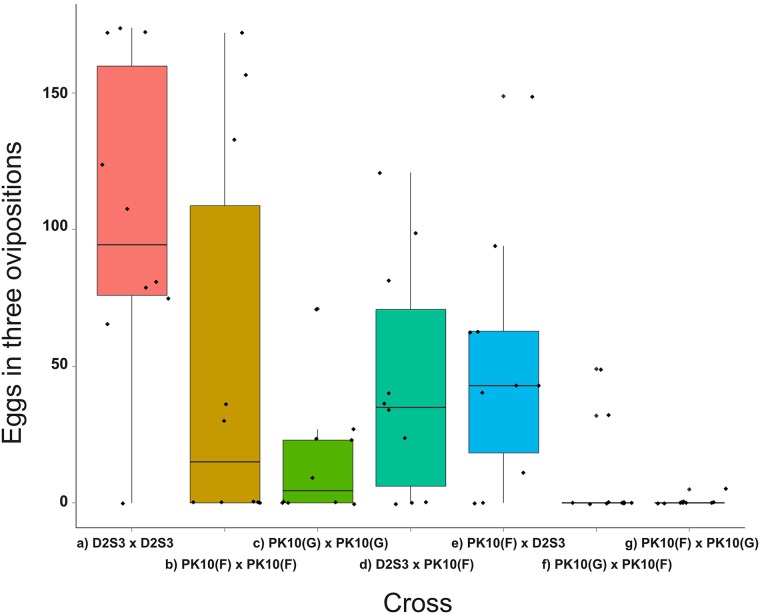
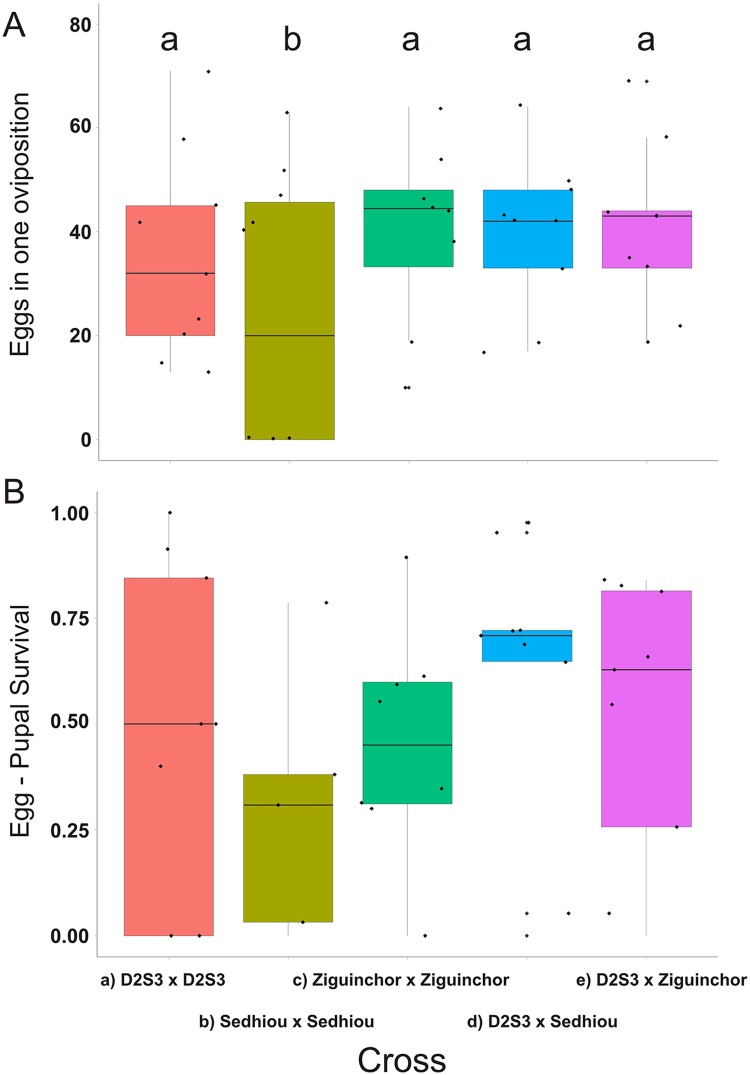
In fruit flies (Drosophila melanogaster), additional factors contribute to haplotype incompatibility. Some males carry a drive allele that, on average, causes them to produce 50% less viable sperm than males without it. Offspring of these heterozygous males are less genetically competitive, and if both parents are heterozygous, their young are either inviable or infertile.
Research on rosy bitterlings (Rhodeus ocellatus) illustrate
- field
- Evolutionary biology, genetics
- known_for
- Describing how genetic mismatches between mates reduce offspring viability and drive mating strategies such as polyandry and cryptic female choice
- mechanisms
- Pheromones, male appearance/courtship, cryptic female choice, gamete surface glycans
- examples
- Gouldian finches, rosy bitterlings, mice, fruit flies, sympatric color morphs
- applications
- Pest control via engineered incompatibility in mosquitos and fruit flies
Lore & Background
Genetic incompatibility is a phenomenon where mating between individuals yields offspring that are nonviable, prone to disease, or genetically defective. Females have evolved strategies such as polyandry—mating with multiple males during a period of sexual receptivity—to reduce the chance that a singular mate is genetically incompatible. The exact mechanisms by which females detect compatible genes prior to mating are not fully understood, but proposed cues include pheromones, male appearance, and courtship behavior. After copulation, cryptic female choice may allow females to reject incompatible sperm internally. Non-additive genetic effects, rather than additive ones, are thought to play a more important role in fertility and embryo survival, meaning infertility can result from the relationship and compatibility of the parents' genes rather than either parent's genes alone. Surface carbohydrates on gametes can also contribute to incompatibility, as physical contact between sperm and egg can trigger chemical reactions that affect fertilization.
Reader's Guide
Genetic incompatibility is a central concept in evolutionary biology, explaining why certain pairings produce fewer or less viable offspring. It has been observed across diverse species, including Gouldian finches, rosy bitterlings, mice, and fruit flies. In Gouldian finches, mixed-color pairs produced eggs 34.3% less likely to hatch, and surviving offspring faced higher mortality. Female rosy bitterlings preferentially chose males with dissimilar MHC genes, leading to higher offspring survival. In mice, the DDK lethal phenotype causes embryo deterioration when females mate with males carrying incompatible alleles. Selfish genetic elements, such as the t-complex in mice, can also create incompatibilities by distorting segregation and reducing offspring fitness. The concept has practical applications: scientists can engineer genetic incompatibility to control pest populations like mosquitos and fruit flies. The study of genetic incompatibility continues to reveal how mate choice, both pre- and post-copulatory, shapes reproductive success and population dynamics.
Did You Know?
- Polyandry reduces the chance that a singular mate is genetically incompatible.
- Cryptic female choice allows females to reject incompatible sperm after copulation.
- In Gouldian finches, eggs from mixed-color pairs were 34.3% less likely to hatch than those from pure pairs.
- Scientists can engineer genetic incompatibility to control pests such as mosquitos and fruit flies.
Female Strategies for Avoiding Incompatible Mates
In the natural world, females face a critical reproductive gamble: choosing a mate whose genes will complement rather than clash with their own. To mitigate the risk of producing nonviable or defective offspring, many species have evolved sophisticated mate-selection strategies. Polyandry—mating with multiple males during a single receptive window—serves as a practical hedge against the possibility that one particular partner carries incompatible alleles. Beyond visible cues like male appearance and courtship displays, females may rely on chemical signals such as pheromones to assess genetic compatibility before mating even occurs. A striking example comes from rosy bitterlings, where females demonstrably prefer males whose MHC genes differ from their own, and offspring from such dissimilar pairings show higher survival rates. Researchers speculate that males release odor cues tied to their MHC genotype during courtship, giving females a chemical readout of compatibility. Perhaps most intriguingly, selection does not end at copulation. The phenomenon known as cryptic female choice operates entirely within the female's body, where incompatible sperm can be actively rejected after they have already been deposited, making the final say on genetic compatibility an invisible, internal process.
Molecular and Genetic Mechanisms of Incompatibility
The roots of genetic incompatibility run deep into the molecular architecture of reproduction. Early thinking attributed reproductive isolation between species primarily to additive genetic effects, essentially the independent contribution of each parent's genes. More recent research has shifted the emphasis toward non-additive effects, where it is not the individual genes of either parent that determine fertility but rather the specific interaction and compatibility between the two sets of alleles. In some cases, particular allele combinations produce complete reproductive failure. At the cellular level, surface carbohydrates on gametes play a surprising role: when an egg encounters sperm bearing non-compatible surface glycans, a chemical reaction is triggered that causes structural changes in the sperm's glycan layer, undermining its fertilization potential. Specific model organisms illustrate these mechanisms vividly. In house mice, the DDK lethal phenotype causes embryonic deterioration when affected females mate with males carrying incompatible inbred-strain alleles, and the outcome hinges on the paternal allele. In fruit flies, a particular drive allele reduces viable sperm production by roughly half in heterozygous males, and when both parents carry it, their offspring are either inviable or infertile.
Reproductive Costs of Color Polymorphism
Color is often the most immediately visible expression of an animal's genotype, yet its reproductive consequences can be profound and hidden. In most populations, genetically defined color morphs interbreed without difficulty. However, evidence from certain species reveals that offspring produced by pairs of different color morphs suffer dramatically reduced viability compared to offspring of same-color pairings. The Gouldian finch provides a particularly well-documented case. In this species, the gene for a red head is dominant over the gene for a black head. Researchers bred both pure-color and mixed-color pairs and tracked outcomes from egg to independence. Eggs from mixed pairs were 34.3 percent less likely to hatch than those from pure pairs. Among the mixed-pair chicks that did survive incubation, mortality between hatching and sixty days of age was 32.1 percent higher than in pure-pair offspring. The disadvantage did not fade with independence; mortality remained elevated, and daughters of mixed-genotype pairs were hit especially hard. These findings suggest that the visible trait of head coloration is a window into broader genetic incompatibilities that affect survival across the entire life cycle, not merely at the embryonic stage.
Evolutionary Significance and Applied Applications
Genetic incompatibility is not merely a biological curiosity; it shapes the boundaries of species and has practical applications in human-managed ecosystems. The concept of cryptic female choice, formalized in the early 1990s, reframed how scientists understand infertility and reproductive isolation. Rather than viewing the genes of one parent as the sole cause of reproductive failure, the modern understanding emphasizes the relational compatibility between the two genotypes. This shift has implications for how we think about speciation: if non-additive genetic interactions are the primary drivers of reproductive isolation, then the very definition of a species boundary may rest on the intricate compatibility landscape between two individuals' allele combinations. Beyond evolutionary theory, the principles of genetic incompatibility have been harnessed for applied purposes. Scientists have engineered incompatibility into pest populations, specifically mosquitoes and fruit flies, to suppress or control their numbers without resorting to broad-spectrum chemical pesticides. By exploiting the same mechanisms that nature uses to prevent incompatible matings, researchers can introduce targeted reproductive barriers into invasive or disease-carrying insect populations, offering a genetically precise tool for ecological management.
Gallery
Frequently Asked Questions
What is Genetic Incompatibility?
Genetic Incompatibility is a biological phenomenon in which two parents carry mismatched genes that result in offspring with reduced survival, increased disease susceptibility, or developmental defects. It sits at the intersection of evolutionary biology and genetics as a key selective pressure shaping reproductive behavior.
What role does Genetic Incompatibility play in the broader evolutionary story?
It acts as a driving force behind the evolution of mate-selection strategies, pushing females to develop mechanisms for choosing genetically compatible partners. In species like Gouldian finches and rosy bitterlings, it has shaped the emergence of polyandry and cryptic female choice as survival tactics.
How do females detect and avoid Genetic Incompatibility before mating?
While the exact mechanism remains debated, researchers point to chemical signals such as pheromones, visual cues tied to male coloration, and specific courtship displays as potential indicators of genetic compatibility. In some species, cryptic female choice—selecting which sperm fertilizes the egg—serves as a secondary filter after mating.
Which organisms are commonly cited as examples involving Genetic Incompatibility?
Classic case studies include Gouldian finches with their sympatric color morphs, rosy bitterlings, laboratory mice, and fruit flies. These species demonstrate how incompatible gene combinations reduce brood viability and drive diverse reproductive strategies in the wild.
How is Genetic Incompatibility applied in modern science and technology?
Scientists exploit this principle in pest management by engineering incompatible gene combinations in mosquitoes and fruit flies so that released individuals produce nonviable offspring in the wild. This approach offers a targeted, chemical-free method for suppressing harmful insect populations.
More in Genetic anomalies 1-24
Spotted an error? Know more?
This is a living reference — every entry is fact-audited, and reader corrections feed straight into our audit queue. Suggest an edit · See this site's audit record