Chimera (genetics)
Single organism with cells of different genotypes.

Pudelek · CC BY-SA 3.0 pl
A genetic chimera is a single organism composed of cells of different genotypes. This condition can occur naturally through the fusion of two or more embryos, or artificially through procedures such as organ transplantation. Chimerism has been observed in many animal species, including rare cases in humans, and in some species it is an obligate part of the life cycle.
- field
- Genetics
- known_for
- Organism composed of cells from different genotypes
- types
- Natural, artificial, tetragametic, microchimerism, germline
- occurrence
- Humans, marine sponges, yellow crazy ants, marmosets, budgerigars
Lore & Background
Genetic chimerism can arise from the fusion of two fertilized eggs during early pregnancy, resulting in an organism with intermingled cell lines. In humans, natural chimerism includes types such as cytomictical (blood chimeras), whole body, fetal-maternal, germ cell, and tumor chimeras. These conditions are often not visible and are detected only through genetic testing, frequently during diagnosis of unrelated medical issues. In some cases, chimerism can affect organ or stem cell transplantation, as chimeras typically have immunologic tolerance to both cell lines.
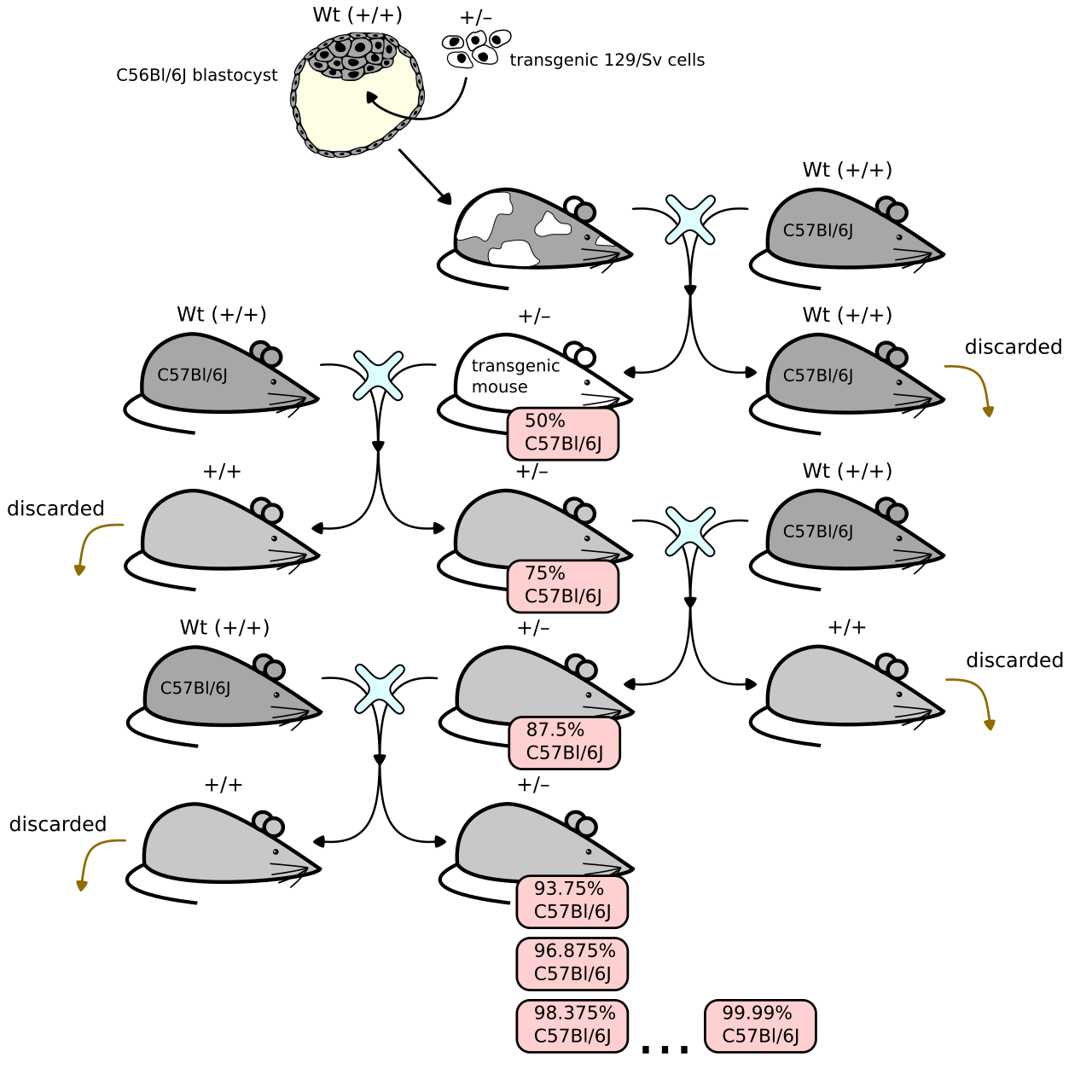
Artificial chimerism is produced by humans for research or commercial purposes, such as through bone marrow transplantation, which can change the recipient's blood type. Microchimerism involves a small number of genetically distinct cells, such as maternal cells persisting in a child or fetal cells persisting in a mother. In yellow crazy ants, males are obligate chimeras, with cells carrying either an R or W genome that do not fuse. In marmosets, nearly 100% of fraternal twins exhibit chimerism due to placental fusion, sharing DNA with their twin siblings.
Reader's Guide
The concept of genetic chimerism is significant because it challenges traditional notions of genetic identity and individuality. In medicine, chimerism has implications for organ transplantation, autoimmune disease research, and parentage testing, as chimeras may show mixed DNA in different tissues. In agronomy, chimeras are used to describe plants with tissues of different genetic makeup, often arising from bud mutations or grafting. The study of chimerism also provides insights into developmental biology, immunology, and evolution, particularly in species where chimerism is obligate, such as yellow crazy ants. The phenomenon underscores the complexity of genetic inheritance and the potential for multiple genomes to coexist within a single organism, influencing both basic research and practical applications in fields like transplantation medicine and agriculture.
Did You Know?
- Natural chimerism in humans can occur when two fertilized eggs fuse during early pregnancy.
- Male yellow crazy ants are obligate chimeras, though other examples of obligate chimeras exist in animals, such as in certain marine sponges.
- Nearly 100% of marmoset fraternal twins exhibit chimerism due to placental fusion, making them hematopoietic chimeras.
- Bone marrow transplantation can determine the recipient's ensuing blood type due to chimerism.
How Chimeras Come Into Being
A genetic chimera is a single living organism whose cells carry more than one distinct genotype. Unlike a hybrid, where every cell holds genetic material from two different organisms, a chimera contains intermingled cell lines that originated separately. In animals, the most straightforward route is the fusion of two or more embryos into one developing body. In plants and certain animal cases, mosaicism produces chimeric tissue when a single zygote undergoes mutation during routine cell division, yielding patches of genetically distinct tissue. Another pathway in animals is organ transplantation: when a recipient receives bone marrow, for instance, the donor genome can come to dominate the recipient's blood type. In agronomy, the term chimera describes a plant whose tissues harbor two or more genetically different cell types, arising from a bud mutation or, less commonly, from the concrescence of cells at a grafting point. Such a graft hybrid is not a true genetic hybrid, yet it produces a single organism with mixed cellular identities.
Chimerism in the Natural World
Chimerism is far from a laboratory curiosity; it occurs naturally across many animal species, and in at least one case it is an obligatory part of the life cycle. Marine sponges provide a striking example: researchers have identified four distinct genotypes within a single sponge individual, with the potential for even greater genetic diversity. Remarkably, each genotype reproduces independently, yet all coexist as one ecological unit that grows and responds to the environment as a single organism. An even more unusual case involves male yellow crazy ants, the first known obligate chimeras. In this species, queens develop from fertilized eggs with an RR genotype, sterile workers show an RW arrangement, and males—rather than being haploid as is typical for ants—also carry an RW genotype. However, in males the egg-derived R and sperm-derived W genomes never fuse; instead, the individual develops with some cells carrying R and others carrying W, making chimerism an essential feature of their biology rather than a rare anomaly.
The Five Faces of Human Chimerism
In humans, natural chimerism can arise when two fertilized eggs fuse during the earliest stages of pregnancy. Scientists recognize five principal categories. Cytomictical, or blood, chimeras and whole-body chimeras both show cells with different DNA profiles when tested, though neither typically presents visible markers; detection usually happens incidentally while diagnosing unrelated medical conditions, and the DNA composition can even shift over a person's lifetime. Fetal-maternal chimerism involves fetal cells lingering in a mother's blood for decades after pregnancy, or parental cells persisting in a child's bloodstream into adulthood. Germ-cell chimerism is marked by oocytes that display XY bivalents, meaning individual eggs carry two distinct chromosomal sets. Finally, tumor chimeras present two separate DNA sets within a single cancerous growth, sometimes reflecting broader chimeric properties of the host, such as a tumor in a fetal-maternal chimera that carries both parental and fetal genetic material.
Microchimerism and the Immune System
Microchimerism describes the presence of a small population of cells whose genetics differ from the host's. Most people are born carrying a handful of cells genetically identical to their mother's, and in healthy individuals this proportion gradually declines with age. However, those who retain higher numbers of these maternally derived cells have shown elevated rates of certain autoimmune diseases, likely because the immune system is simultaneously tasked with eliminating the foreign cells and, due to a shared immune defect, also attacks the body's own tissues. A 2010 case illustrated the diagnostic complexity: a forty-year-old man with a scleroderma-like autoimmune condition was found, via fluorescence in situ hybridization, to have female cells in his bloodstream. Initially attributed to his mother, the microchimerism was ultimately traced to a vanished twin, raising the open question whether twin-derived microchimerism can also predispose individuals to autoimmunity. Mothers, in turn, often harbor a few of their children's cells, and some people even carry cells matching a maternal sibling.
Gallery


Frequently Asked Questions
What exactly is a genetic chimera?
A genetic chimera is a single living organism whose body is built from cells carrying more than one distinct genetic makeup. Instead of one uniform genotype, the individual harbors separate populations of cells that originated from different genetic sources.
How does chimerism actually come about?
In nature it most often arises when two separate embryos fuse very early in development, merging their cell lines into one shared body. It can also be produced artificially, such as when a person receives a transplanted organ that still carries the donor's genetic material.
What are the main recognized types of chimerism?
The condition is split into natural and artificial forms, with subcategories including tetragametic chimerism (involving four gametes), microchimerism (a small lingering population of foreign cells, often seen after pregnancy), and germline chimerism where the genetic difference extends into reproductive cells.
Which species are known to show chimerism?
Chimerism has been documented in a surprisingly wide range of animals, from marine sponges and marmosets to budgerigars and yellow crazy ants. In humans it is rare but well-recorded, and in certain species it is not an anomaly at all but an obligatory part of the normal life cycle.
Why is chimerism considered so significant in genetics?
It upends the straightforward assumption that one body equals one genome, proving an individual can simultaneously carry multiple genetic identities. Because it sits at the crossroads of developmental biology, medicine, and evolutionary genetics, it keeps generating new questions across several fields.
More in Genetic anomalies 1-24
Spotted an error? Know more?
This is a living reference — every entry is fact-audited, and reader corrections feed straight into our audit queue. Suggest an edit · See this site's audit record