Smith–Magenis syndrome
A microdeletion syndrome with distinct facial, sleep, and behavioral features.

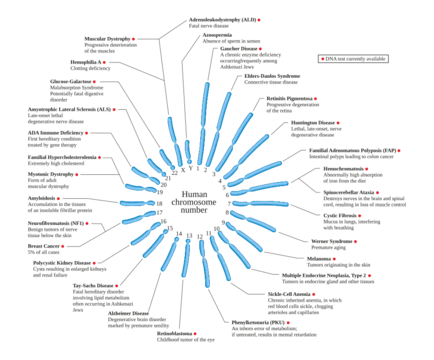
Smith–Magenis syndrome (SMS), also called 17p-microdeletion syndrome, is a genetic condition caused by a small missing piece on the short arm of chromosome 17. It involves intellectual disability, distinct facial features, sleep difficulties, and a range of behavioral issues, including self-harm. The condition occurs in roughly 1 in 15,000 to 1 in 25,000 people.
**Signs and symptoms** Children with SMS often have a broad, square face, deep-set eyes, full cheeks, and a prominent jaw. The bridge of the nose is flat in early childhood but becomes more ski-jump shaped with age. The eyes tend to be set close together, slant upward, and are deep-set, with heavy eyebrows that extend outward. The mouth is particularly noticeable: both lips are full, the mouth is wide, and it curves downward, with the upper lip curving outward due to a fleshy philtrum. As the person ages, the lower jaw grows faster than the upper jaw, making the middle part of the face appear sunken. There is also mild brachycephaly (a slightly flattened head shape).
Sleep problems are a hallmark of SMS, often starting in infancy. Affected individuals may be very sleepy during the day but have trouble falling asleep at night and wake up frequently, due to an inverted circadian rhythm of melatonin.
Behavioral issues are common and include frequent temper tantrums, meltdowns, aggression, anger, fidgeting, compulsive actions, anxiety, impulsiveness, and trouble paying attention. Self-harm—such as biting, hitting, head banging, and skin picking—is very frequent. These behavioral challenges are thought to be made worse by poor sleep. A unique behavioral trait is repetitive self-hugging. People with SMS may also compulsively lick their fingers and flip through pages of books or magazines (called "lick and flip"), and they often have an impressive memory for small details about people or specific trivia.
Other possible symptoms include short stature, scoliosis (curved spine), reduced sensitivity to pain and temperature, and a hoarse voice. Some have ear abnormalities that cause hearing loss, or eye problems like nearsightedness (myopia) and strabismus. Heart and kidney defects have been reported, though they are less common.
**Cause** SMS is a chromosomal condition linked to repeated segments on chromosome 17. Most cases involve a deletion of genetic material from a specific region (17p11.2). While thi
- field
- Medical genetics
- known_for
- Describing Smith–Magenis syndrome in 1986
- notable_contributors
- Ann C. M. Smith (genetic counselor at the National Institutes of Health) and R. Ellen Magenis (pediatrician, medical geneticist, and cytogeneticist at the Oregon Health Sciences University)
Lore & Background
Smith–Magenis syndrome is a chromosomal condition related to low copy repeats of specific segments of chromosome 17. Most people with SMS have a deletion of genetic material from a specific region of chromosome 17 (17p11.2). Although this region contains multiple genes, recently researchers discovered that the loss of one particular gene, the retinoic acid induced 1 or RAI1, is responsible for most of the characteristic features of this condition. Also, other genes within the chromosome 17 contribute to the variability and severity of the clinical features. The loss of other genes in the deleted region may help explain why the features of Smith–Magenis syndrome vary among affected individuals. A small percentage of people with Smith–Magenis syndrome have a mutation in the RAI1 gene instead of a chromosomal deletion.
These deletions and mutations lead to the production of an abnormal or nonfunctional version of the RAI1 protein. RAI1 is a transcription factor that regulates the expression of multiple genes, including several that are involved in controlling circadian rhythm, such as CLOCK. The groups led by James Lupski (Baylor College of Medicine) and Sarah Elsea (Virginia Commonwealth University) are in the process of studying the exact function of this gene in relation to Smith–Magenis syndrome.
SMS is typically not inherited. This condition usually results from a genetic change that occurs during the formation of reproductive cells (eggs or sperm) or in early fetal development. People with Smith–Magenis syndrome most often have no history of the condition in their family.
Reader's Guide
Smith–Magenis syndrome is significant as a microdeletion syndrome that illustrates the complex interplay between chromosomal deletions and gene function. The identification of the RAI1 gene as a key contributor has advanced understanding of circadian rhythm regulation, as RAI1 controls genes like CLOCK. The syndrome's behavioral traits, including repetitive self-hugging and 'lick and flip' behaviors, are distinctive and aid in diagnosis. Diagnosis relies on FISH testing for the 17p11.2 deletion, though mutations in RAI1 require further testing. Treatment is symptomatic, involving therapies and medications such as melatonin and acebutolol for sleep disturbances, and risperidone for behavioral issues. The condition's prevalence (1 in 15,000 to 1 in 25,000) underscores its rarity, and its non-inherited nature highlights the role of de novo mutations. Ongoing research by Lupski and Elsea continues to explore RAI1's function, potentially leading to targeted therapies.
Did You Know?
- Repetitive self-hugging is a behavioral trait that may be unique to Smith–Magenis syndrome.
- Some people with SMS compulsively lick their fingers and flip pages of books and magazines, a behavior known as 'lick and flip'.
- The syndrome is caused by a deletion or mutation in the RAI1 gene on chromosome 17p11.2.
- Melatonin supplements and trazodone are commonly used to regulate sleep disturbances in SMS.
More in Genetic anomalies 1-24
Spotted an error? Know more?
This is a living reference — every entry is fact-audited, and reader corrections feed straight into our audit queue. Suggest an edit · See this site's audit record